Why it matters
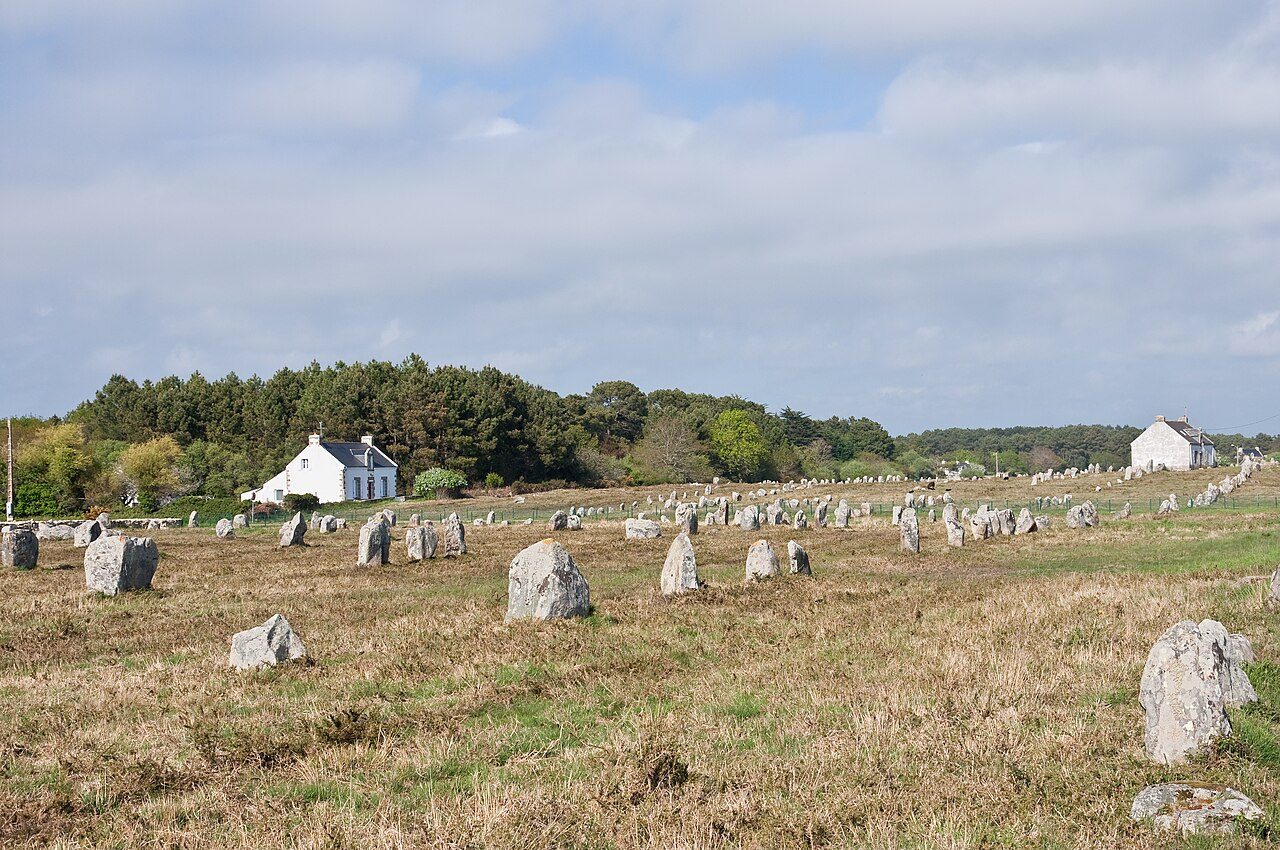
More than 3,000 standing stones marching in rows across Brittany, raised before Stonehenge — and no one fully knows why.
What mainstream says
Genuine Neolithic alignments; purpose (astronomical/ritual) debated, builders human.
The memory of it
Carnac is more than three thousand standing stones set in kilometre-long rows across Brittany, raised around 4500 BCE — older than Stonehenge and the pyramids. The scale of planning and organised labour it required predates the kingdoms that supposedly make such projects possible. Mainstream accepts the dating and the human builders; what no one can fully explain is the purpose or the sheer ambition (grade A). For our reading it matters as another case of monumental, coordinated achievement appearing very early and then going dark — the culture that raised it left no explanation. It fits the recurring shape of the evidence: sophistication arriving before the textbook says society was ready for it.
Sources & further reading
The authoritative reference for this site/finding — and its own primary citations — so you can check us.